Play, Routine and Rest: Everyday Happiness for Indoor Pets
What do indoor pets need to stay happy?
Short answer: a mix of play, predictable routines and good rest. Indoor dogs and cats need ways to move, use their minds and feel safe, even in a small apartment or on very hot days when staying in is the best choice.
The ideas below work for pets of most ages. Make them gentler for seniors, and ask your vet if you are unsure what suits yours.
Short play sessions that fit a busy day
- Cats: a feather wand or a fishing-rod toy for five minutes, a couple of times a day, lets them stalk and pounce. End with a small treat so the hunt feels complete.
- Dogs: a game of tug, hide-and-seek or fetch down a hallway adds movement without going outside.
- Older pets: choose slow, low-impact games. Stop when your pet loses interest.
- Rotate toys: keep a few out and swap them every week. Old toys feel new again.
Puzzle play and enrichment
Using the nose and the brain tires pets out in a good way. Try:
- A snuffle mat or a rolled towel with kibble hidden inside.
- A puzzle feeder or a treat ball for part of the day’s meal.
- Scattering a few pieces of food around a room for a “find it” game.
- A safe window perch for cats, so they can watch the world go by.
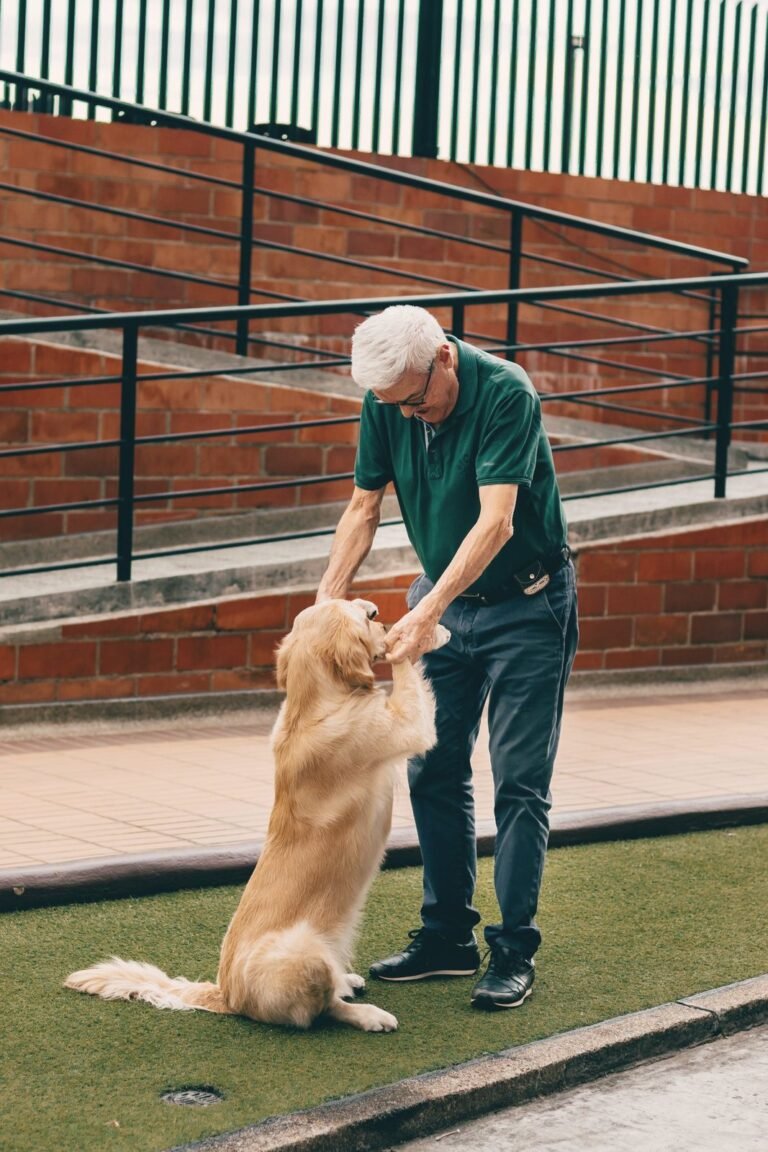
- Short training sessions, such as “sit”, “touch” or a new trick, for dogs and cats alike.
Build a gentle daily routine
Pets feel secure when the day follows a pattern. Keep meal times, play times and bedtime fairly steady, and plan toilet breaks and walks around them. A routine also helps you notice changes in appetite, energy or behaviour, which are worth mentioning to your vet.
Make rest as good as play
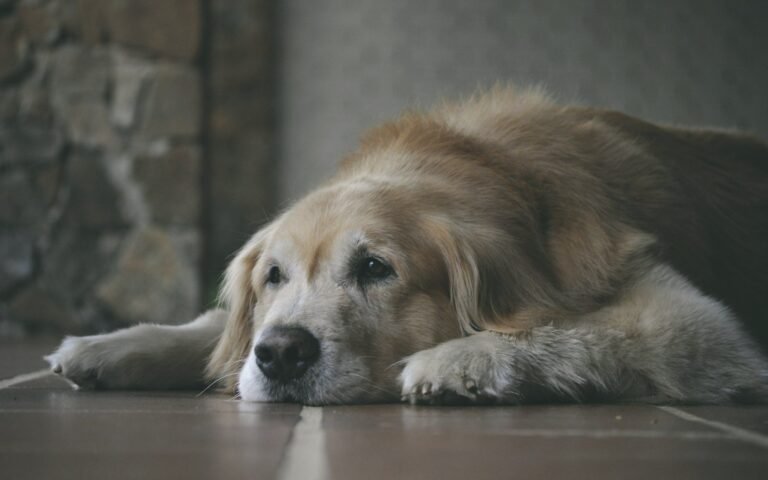
- Give every pet a quiet, comfortable bed away from busy spots.
- Offer cool surfaces and fresh water in warm weather.
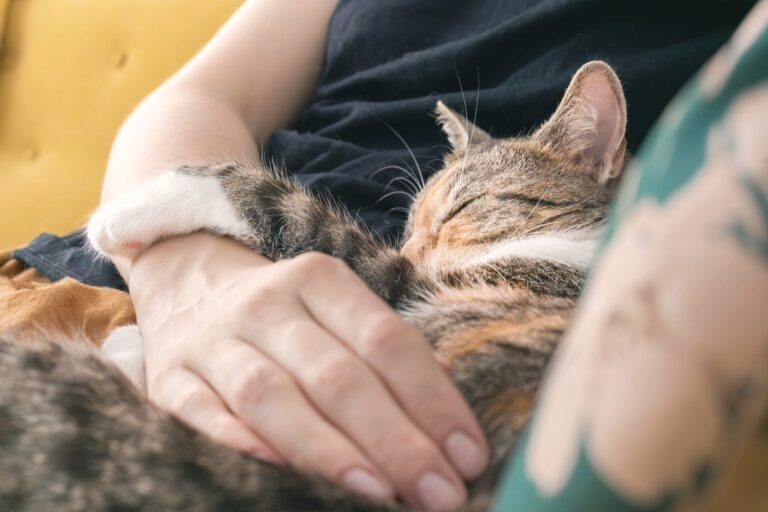
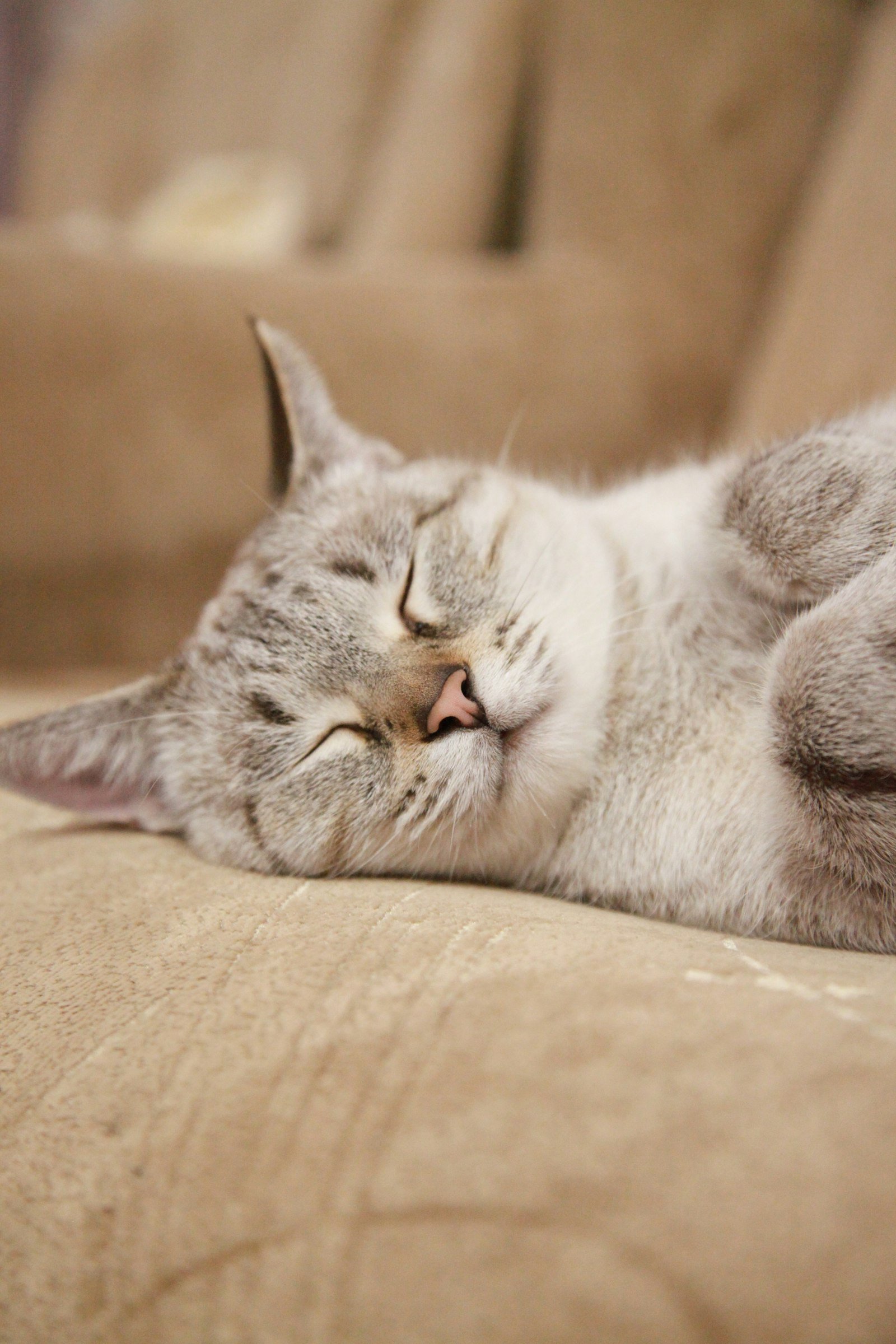
- Let sleeping pets sleep. Avoid waking them for cuddles when they are deeply resting.
- For cats, provide high places and hiding places to retreat to.
A word about hot days
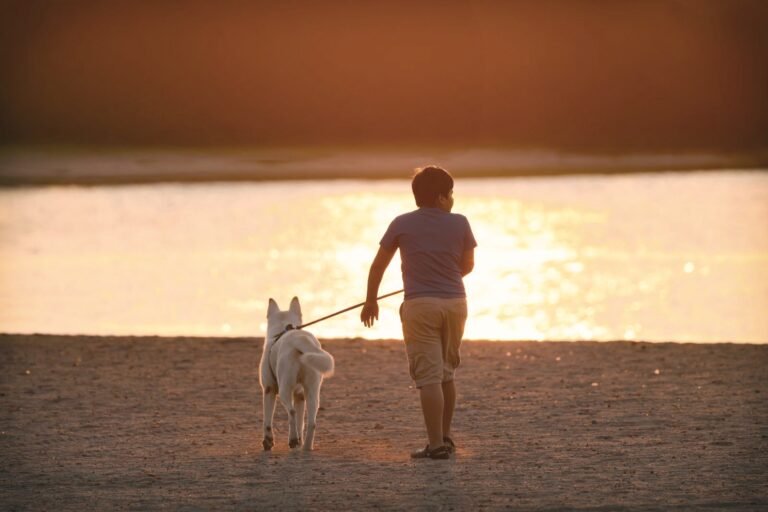
On very hot or humid days, move play indoors and keep it short. Early morning and evening are the best times for outings. Always provide plenty of water and good airflow, and never leave a pet in a parked car.
Keeping cats active indoors
Indoor cats often enjoy height and variety. A sturdy cat tree, shelves, boxes and a safely screened window give them places to explore. Play short chase-and-pounce games with a wand toy, let them “catch” it at the end, and keep scratching posts where they like to stretch. For older cats, add low steps and keep favourite spots within easy reach.
If your cat seems to play less or hide more than usual, mention it to your vet. It is often just a change in mood or season, but it is worth checking.
A sample day for an indoor pet
Morning: breakfast from a puzzle feeder and a short play session. Midday: quiet rest in a cool, comfortable spot. Afternoon: a few minutes of training or a “find it” game. Evening: a walk for dogs once it has cooled down, or a wand game for cats, followed by a calm wind-down. Adapt the timings to your own household and to your pet’s age and energy.
Keep an eye on the small things
If your pet becomes more withdrawn, restless, or loses interest in play, make a note and talk to your vet. Otherwise, enjoy the little rituals: a play session, a nap in a sunny spot and a quiet cuddle at the end of the day. These moments add up to a happy home.
This article is general information only and is not veterinary advice. If you are worried about your pet, please contact your veterinarian.
Last updated: 17 November 2026
[PLACEHOLDER, hidden: Reviewed by [VET NAME, CREDENTIALS] on [DATE]. Add only once a real vet has agreed and reviewed this article.]
Free printable
Senior Pet Daily Care Checklist
One page for the fridge: daily and weekly care reminders, hot-weather tips and a notes space for your next vet visit. Pop in your email and we will send it, or download it straight away.
Questions about caring for your senior or active pet? Jasmine is happy to chat, and she replies personally.
💬 Message Jasmine on Messenger
No Messenger? Use our contact form
Disclosure: Jasmine GeGe is an ASEA Independent Associate and may earn a commission on purchases made through links on this site. Pawfect Vita is an independent site and is not owned, operated or endorsed by ASEA.
Disclaimer: These statements have not been evaluated by the US Food and Drug Administration or Singapore’s Health Sciences Authority. This product is not intended to diagnose, treat, cure or prevent any disease. Pet tips on this site are general information, not veterinary advice. Always consult your veterinarian about your pet’s health.
[PLACEHOLDER: Instagram · Facebook page · TikTok] · Privacy Policy · FAQ · Contact · © 2026 Pawfect Vita · Photos: Unsplash & Pexels